
Understanding NFC: from a nearby tap to intelligent packaging
How NFC works, and why reading a chip differs from verifying a product.
What is NFC and how does it work?
NFC stands for Near Field Communication. It exchanges data over a short distance and is related to radio-frequency identification, or RFID. For example, a compatible phone can read data by being brought close to a tag. Contactless payments, access control and retrieving information from tags are applications of NFC; each depends on compatible equipment and software.
A tag typically contains a chip and an antenna. The chip stores data and the antenna enables communication with a reader. Passive tags draw the energy needed for reading from the reader's field. Having NFC on a phone does not mean it supports every tag or application. The NFC Forum technology introduction explains the communication modes.
How does NFC differ from QR?
A QR code is a visual code read by a camera; NFC uses nearby radio communication. Both can lead a user to digital information, but their reading methods differ. Opening a web address or displaying information after a scan does not, by itself, prove a product is authentic.
When choosing between them, consider phone compatibility, placement, the intended interaction and how information will be checked. The choice should follow the product's needs as well as ease of scanning.
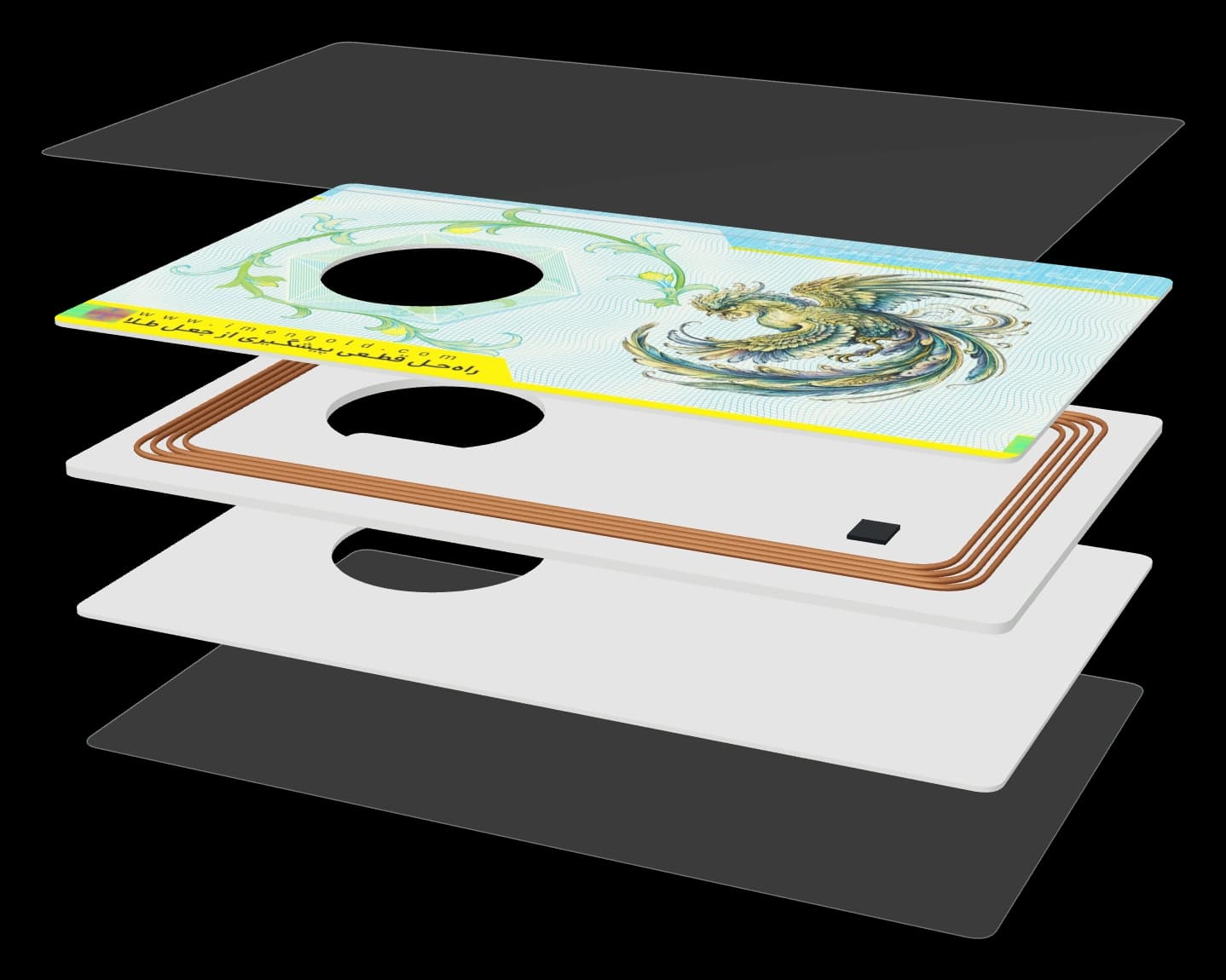
How does reading a tag differ from authentication?
Reading retrieves data from the tag. Authentication requires checking the validity of that data and its connection to the product. A process designed for gold packaging needs to establish how an identifier is associated with a product, where the information is registered and which system checks the result.
Short range does not replace security controls. Chip capabilities, access settings, data registration and physical protection of the package all matter. Tags do not all offer the same security capabilities, and a chip alone does not make packaging impossible to counterfeit. The NFC Forum security overview discusses controls such as digital signatures for tag data.
What role can NFC play in gold packaging?
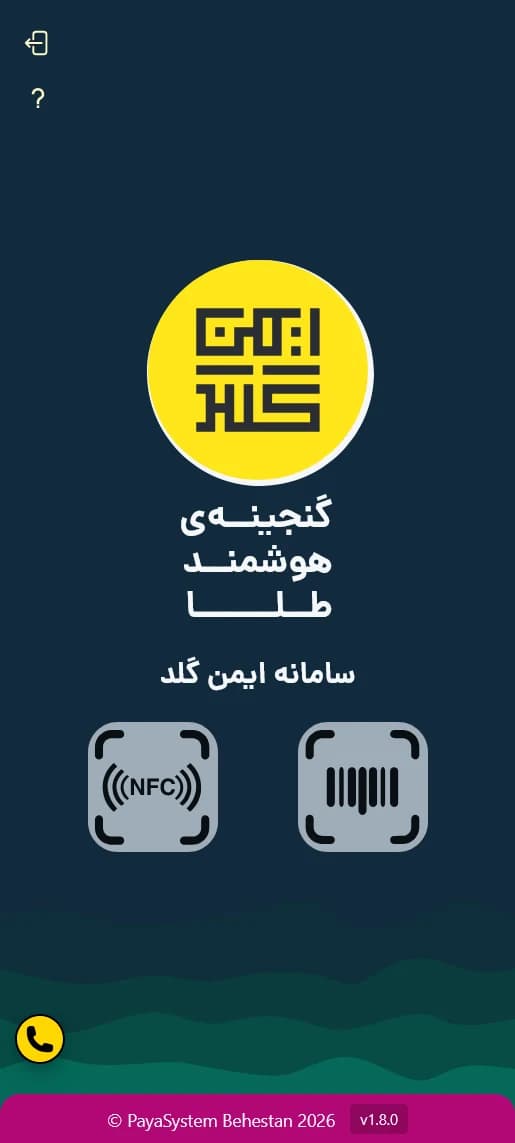
Intelligent packaging can connect a physical product to its digital information. That connection belongs alongside inspectable packaging features, accurate registration and a product management process. Information read directly from a tag is not necessarily the product's current status in a system; checking current status may require an internet connection and authorized access.
See intelligent NFC cards for the product structure and the management platform for the role of registration and operations. The ImenGold mobile experience explains the consumer journey.
What should you check when reading a package?
- Check that the phone supports NFC, that it is enabled where needed, and where to hold it near the package.
- Follow the product's official instructions and identify the link destination before entering information.
- Compare the displayed information with the package's details and physical condition.
- A failed read alone does not establish counterfeiting. Use the official contact route for an error or discrepancy.